If you want to add some more personality to your home, wallpaper is a great way to do it. Not only is wallpapering a key way to introduce colour, tone and texture to a room, but it isn’t as big of a commitment as choosing a single paint colour.
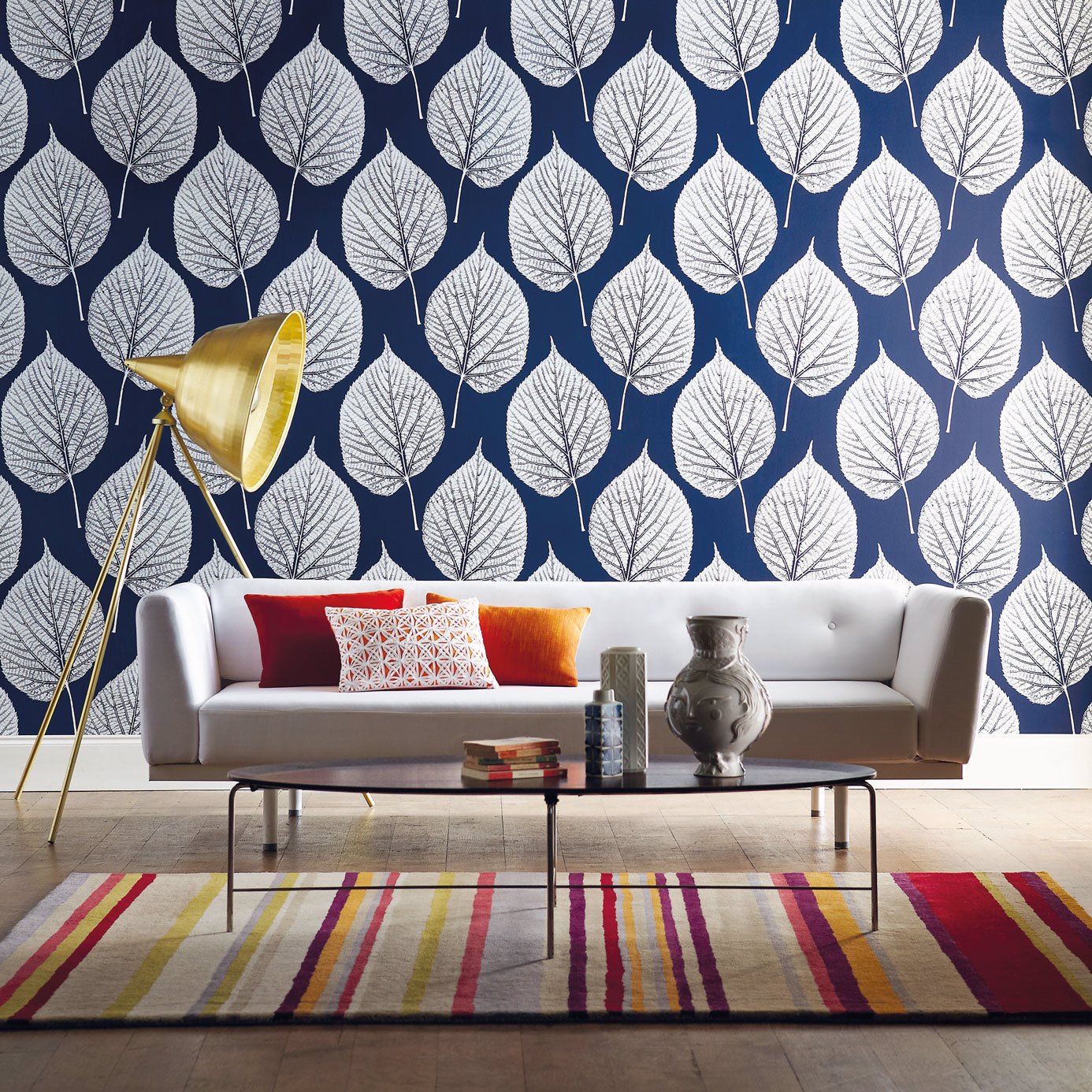
Did you know that wallpaper can make a room appear either larger or smaller, cooler or warmer and lighter or darker, depending on which wallpaper you choose? But the endless options can be intimidating when you’re on the hunt for the perfect design.
That’s why we’ve shared 5 steps to help you find the right wallpaper to create a WOW factor in your home
Step One: Select your space
The first step to finding your perfect wallpaper is figuring out where it’s going to go. Do you plan on applying it to all the walls in the room? A few of them? Or just the one?
If you’re planning on creating a feature wall, go for a bold design to draw attention, make a statement and highlight the furniture and other structural features within that area. If you’re going for all the walls, select a simple design that will give a classic yet contemporary feel that doesn’t oversaturate the room.
REMEMBER: Wallpaper can help you to create an illusion of space. For example, vertical stripes can be used to make a wall look taller, especially good for rooms with lower ceilings.
Step Two: Prep, prep, prep
What is the one thing that will drive you up the wall when applying your new wallpaper? You run out of product!
Always measure up accurately and do not try and guess! The unwritten rule is to order an extra roll than what you’ve measured up for, just to be on the safe side. It’s possible that you’ll be able to return any unused and unopened rolls anyway.
NOTE: Most wallpaper suppliers have a roll calculator feature on their website to help assist and ensure you have the correct quantity, according to the length and pattern repetition of each roll you plan on buying.
Step Three: Patterned or plain?
From geometric and floral patterns to neon and pastel colours, there are so many types of wallpaper options to choose from.
Faux effect wallpapers are a cost-effective way to experiment and add character to your space. An exposed brick wallpaper in your kitchen or living room is the perfect way to pull off the trendy industrial look in your home.
TOP TIP: If you’re going for a show-stopping patterned feature wall, try to keep the rest of the room in line with a neutral palette. Pale coloured flooring and furniture will ensure your feature wall really stands out.
Step Four: Time to talk texture
Are you into metallics? Holographic? Or even photographic wallpaper? Textured wallpapers are designed to help add a new dimension to a room, whilst flat wallpaper gives your walls a refined look.
If flat wallpaper is your go-to, you could make the most of its smooth finish and pick out a metallic print to help bounce light around your room. If textured is your preference, you could opt for a vinyl material wallpaper as they are effortless to clean, great at disguising any wall imperfections and are often paintable too.
TOP TIP: Purchase wallpaper with a non-woven backing. It has a lighter paper backing, making it easier to hang and remove, which is ideal if you’re not 100% sure of your selected pattern or if you’re a renter with restrictions.
Step Five: Get a sample
You don’t want to make the mistake of applying your wallpaper and then hating it midway through hanging! Retailers such as Farrow and Ball and Little Greene offer free wallpaper samples delivered straight to your door.
Once you have your sample, simply tape it to the wall and get a feel for it. Ask yourself, “Does this match the other furniture and fabrics in the room? Will I get bored of seeing this over time?”
TOP TIP: Instead of throwing out the samples you love but don’t end up choosing, why not frame them and hang them up in your home to create a memorable piece of wall art.
Need some inspiration to get started? Check out our wallpaper and mural collection here.
We would love to see the newly decorated walls in your home, share and connect with us on social media @Furnishful
by Keleisha Simpson – Interiors Writer, BA (Hons) Interior Design